Description
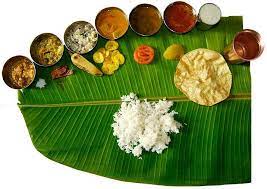
Iyengar meals are vegetarian South Indian dishes from the community of Tamil-speaking Hindu Brahmins, known for traditional recipes without onion or garlic, using fresh, home-cooked methods, and seasonal ingredients. A typical meal, or saappadu, includes dishes like puliyogare (tamarind rice), pongal, rice with sambar and rasam, and desserts like payasam, often served on a banana leaf.
-
Vegetarian & Sattvic:
Iyengar cuisine is strictly vegetarian, adhering to a Sattvic diet, which means it does not include onion or garlic.
-
Traditional & Generational:
Recipes are passed down through generations, ensuring authenticity and a home-cooked feel.
-
Fresh & Seasonal Ingredients:
Meals emphasize fresh, seasonal ingredients and avoid preservatives or artificial colors.
-
Banana Leaf Service:
A traditional meal, or saappadu, is often served on a banana leaf, which adds flavor and is considered a natural way to serve food.
-
Puliyogare:
A special tamarind-based rice dish flavored with jaggery, rasam powder, and various spices like coriander and cumin, often mixed with rice after a tempering process.
-
Idly & Vada:
Steamed rice cakes (idly) and savory lentil doughnuts (vada) are popular breakfast or snack items.
-
Pongal:
A sweet (Chakkarai Pongal) or savory dish made with rice and lentils, often for breakfast or as part of a meal.
-
Sambar & Rasam:
Sambar is a lentil-based vegetable stew, while rasam is a spicy, tangy soup often served with rice.
-
Payasam:
A popular sweet dessert made with milk, sugar, and vermicelli or other grains, typically eaten at the end of a meal.
-
Poriyal:
A stir-fried vegetable dish that can be referred to as “karamudhu”.
Reviews
There are no reviews yet.